


Summer in France Starts at the Front Door – and a Car Is Key to Making the Most of It
The French are ready to hit the road this summer! New research commissioned by Enterprise Mobility and conducted by OpinionWay reveals that 78% of French people are planning a summer holiday this year, rising to an impressive 92% among 18- to 34-year-olds.
But the research uncovers an interesting shift in how people think about holidays. For many, the holiday experience no longer begins when they arrive at their destination – it starts the moment they leave home.
The Journey Is Part of the Holiday
When asked when their summer holiday really begins, almost half of French respondents (45%) said it starts as soon as they close their front door behind them. That's significantly higher than the 27% who feel their holiday begins upon arrival at their destination.
A further 11% believe the break starts when they hit the road, while 10% say it happens when they leave their city. Only 7% wait until they've unpacked their bags before switching into holiday mode.
The findings suggest that for many French travellers, the journey itself has become an important part of the experience – a chance to decompress, embrace spontaneity and start exploring before reaching their final stop.
Why the Car Remains Central to Summer Travel
The research reveals just how important access to a car remains for domestic tourism in France.
More than four in ten French people (41%) say they have previously had to give up exploring a region and its surrounding villages because they did not have access to a car. The same proportion say lacking a vehicle has restricted their flexibility while travelling.
Meanwhile, 36% have missed out on road trips, 36% have struggled with practical necessities such as grocery shopping, and 35% have been unable to visit friends or family living in more remote locations.
For younger travellers, the dependence on cars is even more striking.
Among under-35s, 68% have previously missed out on visiting rural or coastal areas due to not having access to a vehicle, while 63% have been unable to fully explore a destination and 61% have had to abandon road trip plans.
Far from moving away from car travel, younger generations appear to view cars as a gateway to the types of experiences they value most: freedom, flexibility and discovery.
France's Best Places Aren't Always easy to access without a car
More than half of French people surveyed (53%) believe there is no need to travel abroad to enjoy spectacular landscapes and varied scenery. And with good reason.
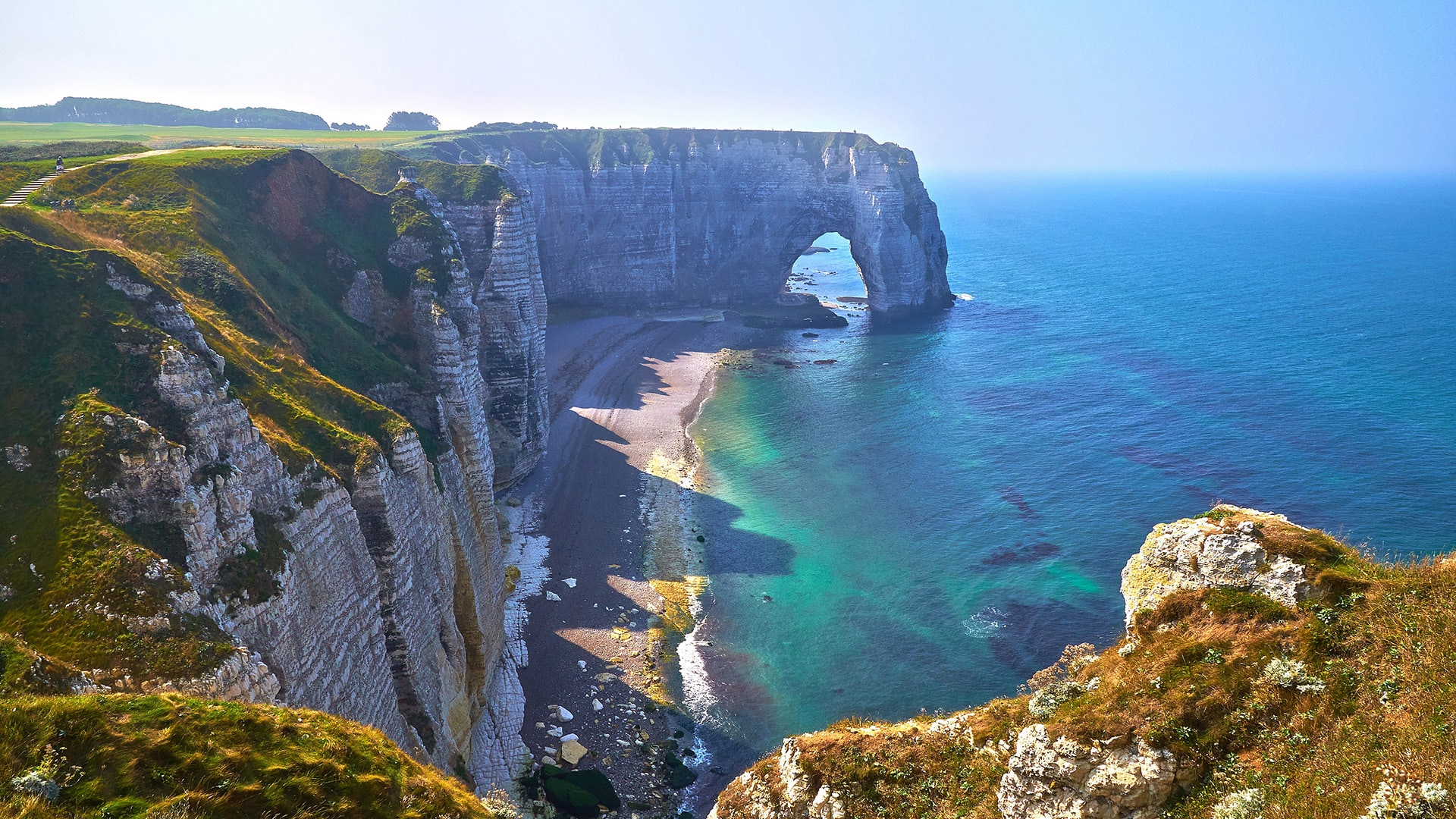
Few countries offer the diversity found within France's borders. Within a day's drive, travellers can move from Atlantic surf towns to alpine lakes, vineyard-covered hillsides, dramatic coastal cliffs and centuries-old villages untouched by mass tourism.
Many of these places share one thing in common: they're often easier to access by car.
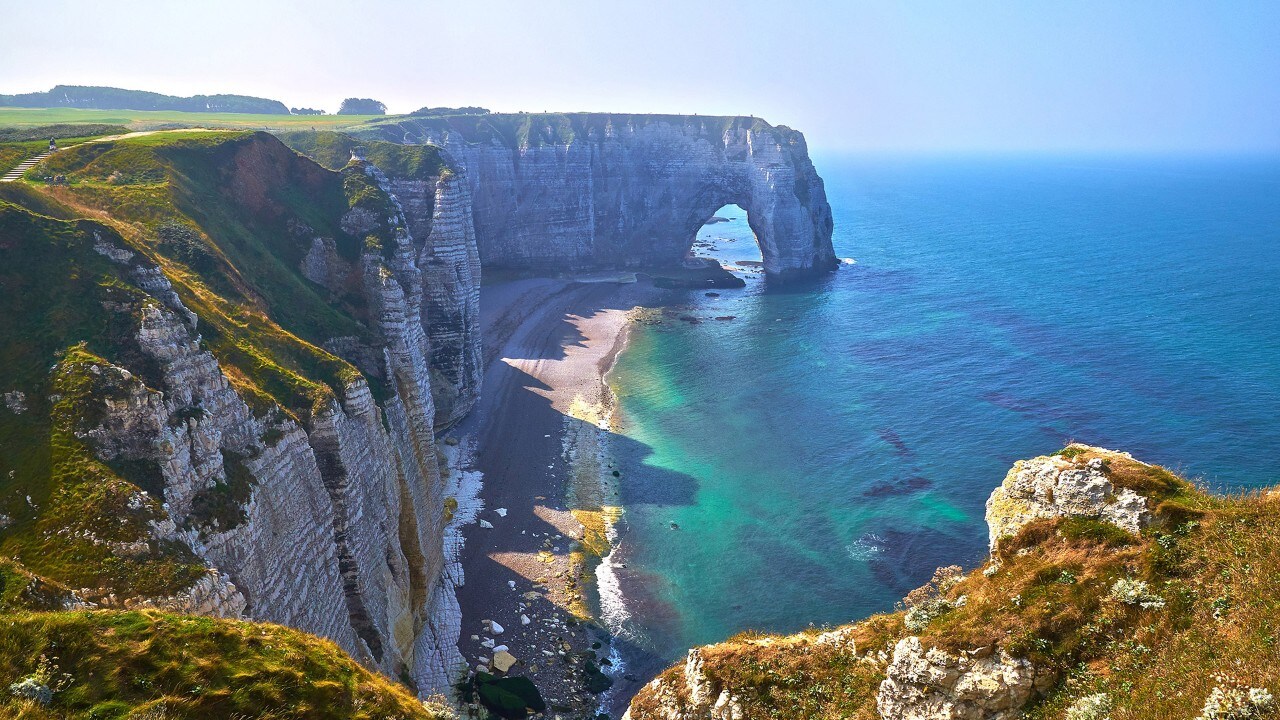
While France boasts an impressive rail network, some of the country's most memorable experiences happen away from major cities and transport hubs. A car offers the freedom to venture beyond the obvious, to take the scenic route and to discover the lesser-known corners that rarely feature in guidebooks.
For families in particular, having a car can transform the holiday experience, offering greater freedom to adapt plans, travel at their own pace and explore beyond the main tourist routes.
Young Travellers Are Embracing the Road Trip
Perhaps surprisingly, younger generations are leading the charge.
Among 18- to 34-year-olds, an overwhelming 92% plan to travel this summer. Far from turning away from driving, they appear to value the independence that comes with having a vehicle.
The figures are striking. Nearly seven in ten under-35s (68%) have previously missed out on visiting rural or coastal areas because they didn't have access to a car. More than six in ten have had to abandon plans to explore a region in depth (63%) or take a road trip (61%).
The findings challenge the stereotype that younger generations are less interested in cars. Instead, for many, a vehicle remains the key that unlocks the experiences they want most: freedom, spontaneity and adventure.
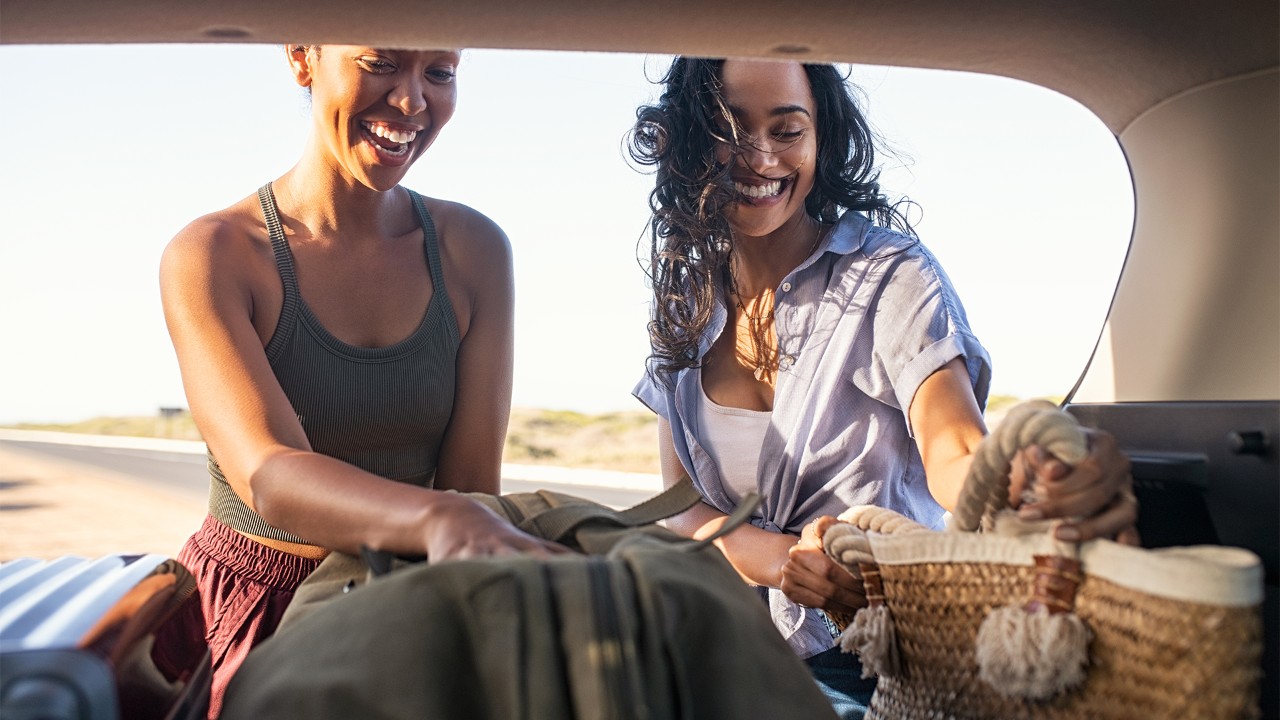
The Great French Road Trip Lives On
Of course, no family road trip would be complete without a few disagreements along the way.
Traffic jams remain the biggest holiday frustration, cited by 75% of French travellers. Navigation mishaps come next, with 44% blaming wrong turns, GPS confusion or questionable directions from the passenger seat.
Then there are the classic in-car debates.
How often should we stop? Who controls the playlist? Who gets the best seat?
Among parents, nearly one in four identify arguments over seating arrangements and music choices as genuine sources of tension.
Yet these small annoyances have become part of the ritual. The holiday snapshots that many families remember are often made on the road: impromptu picnics, scenic viewpoints, unexpected discoveries and the shared experience of travelling together.
Freedom Remains the Ultimate Luxury
As French travellers prepare for summer 2026, the findings paint a picture of a nation that continues to embrace the road trip spirit. The holiday no longer starts at the hotel check-in desk or on a sun lounger by the sea. For many, it begins at the front door.
And while train travel and other transport options continue to play an important role, the research suggests that the car remains uniquely placed to unlock the flexibility, independence and sense of adventure that many travellers are seeking.
Whether it's discovering a hidden village in Provence, exploring the dramatic coastline of Brittany or simply enjoying the freedom to change plans at a moment's notice, one thing is clear: for many French holidaymakers, the key to a great summer is still sitting in the ignition.
About the survey
A study conducted by OpinionWay for Enterprise Mobility among a sample of 1,028 people, representative of the French population aged 18 and older, selected using the quota method (gender, age, socio-professional category, urban area category, and region of residence). The interviews were conducted via a self-administered online questionnaire (CAWI system) on May 27 and 28, 2026.
Related Articles
- Amsterdam: An Exciting Blend of Football and Culture
- Nine Places You'll Never See
- A Drive Through Kerry
- Best of British: 5 UK Heritage Sites to Rediscover
- Travel Trends France